Nigerian Tech Daily: Telecom CEOs Face Sanctions, OPay's US IPO Withdrawal, and More
Nigerian telecom CEOs face sanctions, OPay withdraws US IPO, and regulatory bodies crack down on cable neglect and counterfeit phone imports.
Nigerian Tech Daily: Key Developments
Today's tech climate in Nigeria is marked by growing regulatory scrutiny and increasing pressure on businesses to adapt to changing market conditions. As the country's digital economy continues to grow, the need for robust infrastructure and effective regulation becomes more pressing.
Primary Developments
Poor Network: Reps Threaten Fresh Sanctions
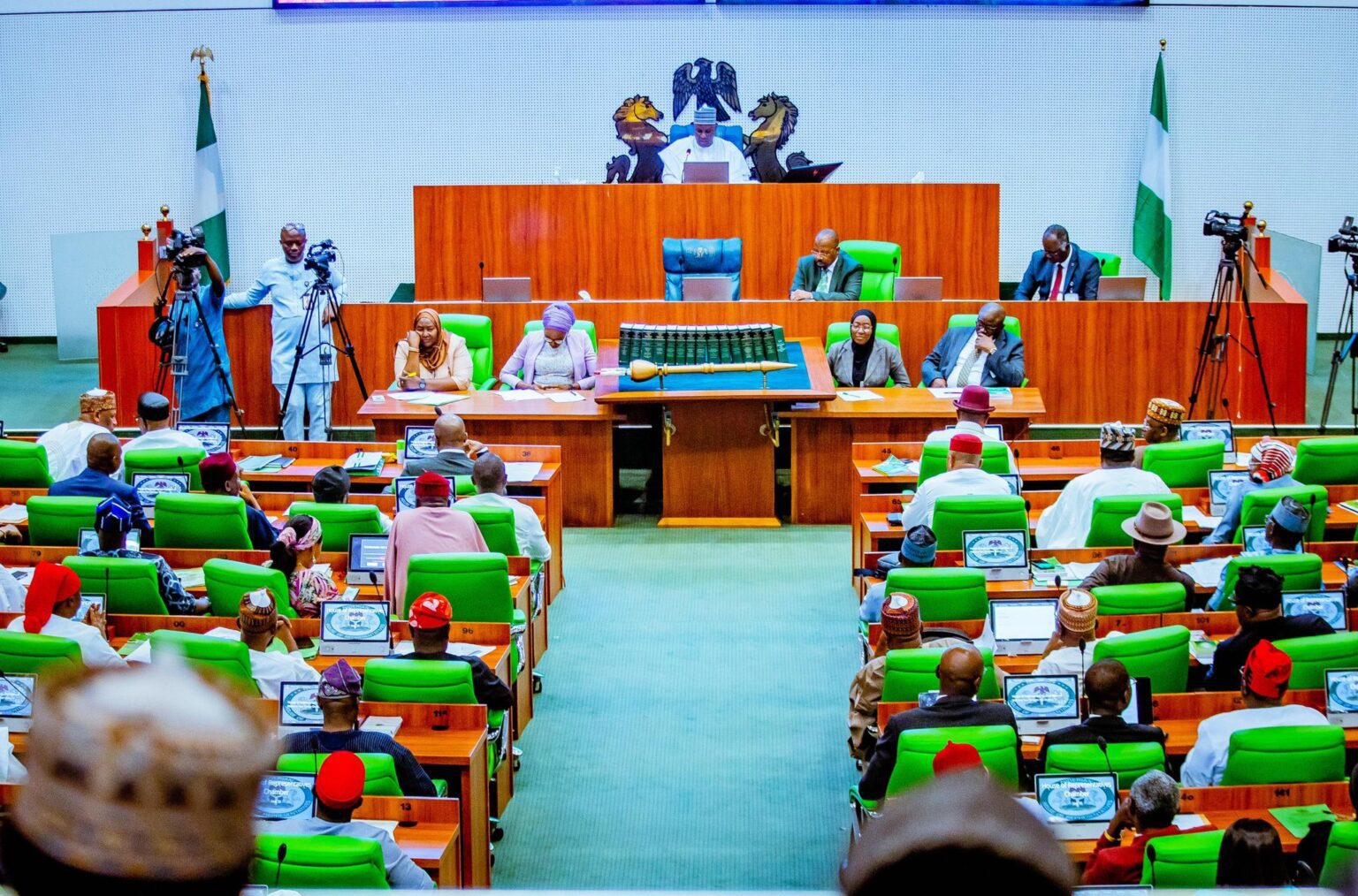
What Happened: The House of Representatives has threatened to impose fresh sanctions on leading telecom operators in Nigeria after their CEOs failed to appear before its ad hoc committee over issues relating to poor network quality in recent months. This marks the second time in two consecutive weeks that the CEOs of MTN, Airtel, Globacom, and Mafab Communications have failed to appear before the House as directed.
Why It Matters: The threat of sanctions highlights the growing concern over poor network quality in Nigeria and the need for telecom operators to take responsibility for their services. This development has significant implications for businesses and individuals who rely on stable internet connectivity for their operations.
OPay's US IPO Withdrawal
What Happened: OPay Limited, a Nigerian-focused fintech, has withdrawn its planned $304 million initial public offering (IPO) in the US, citing regulatory inquiries from a Chinese regulator. The report suggests that the regulatory inquiry was a key factor in OPay's decision to withdraw its proposed listing on the New York Stock Exchange (NYSE).
Why It Matters: OPay's withdrawal from the US IPO market highlights the challenges faced by Nigerian fintech companies in navigating international regulatory requirements. This development underscores the need for fintech companies to prioritize regulatory compliance and adapt to changing market conditions.
Bitnob's Code & Chain Hackathon
What Happened: Bitnob, a pan-African payment infrastructure company, has wrapped up its Code & Chain Dakar 2026 hackathon, which brought together 98 developers to build with Bitcoin and the Lightning Network. The event ended with 17 project demos and $5,000 in prize money shared among three winning teams.
Why It Matters: The success of Bitnob's hackathon highlights the growing interest in Bitcoin and the Lightning Network in Nigeria and beyond. This development underscores the potential of blockchain technology to drive innovation and economic growth in Africa.
Lagos Regulator Threatens Sanctions Over Cable Neglect
What Happened: The Lagos State regulator has threatened to impose sanctions on internet service providers (ISPs) over cable neglect, setting a November 2026 deadline for compliance. The move aims to address the chronic breaches of fibre lines and data centres in the state.
Why It Matters: The threat of sanctions highlights the growing concern over the neglect of fibre cables in Lagos and the need for ISPs to prioritize maintenance and repair. This development has significant implications for businesses and individuals who rely on stable internet connectivity for their operations.
NCC Partners with Customs to Crack Down on Counterfeit Phone Imports
What Happened: The Nigerian Communications Commission (NCC) has partnered with customs to crack down on counterfeit phone imports. The move aims to address the growing problem of counterfeit phones in the country.
Why It Matters: The partnership between the NCC and customs highlights the growing concern over counterfeit phone imports in Nigeria. This development underscores the need for effective regulation and enforcement to protect consumers and promote fair trade practices.
The Takeaway for Nigerian Businesses & SME Operators
In today's fast-paced tech landscape, Nigerian businesses and SME operators must prioritize rapid response times and customer availability to stay ahead of the competition. The developments highlighted above underscore the need for businesses to adapt to changing market conditions, prioritize regulatory compliance, and invest in robust infrastructure. By doing so, businesses can mitigate the risks associated with poor network quality, regulatory scrutiny, and counterfeit phone imports, ultimately driving growth and innovation in Nigeria's digital economy.
Sources & Outbound References
- •Poor network: Reps threaten fresh sanctions as telecom CEOs fail to honour summons(TechNext)
- •Chinese regulator questioned OPay before $304m US IPO withdrawal – report(The Condia)
- •Bitnob's Code & Chain hackathon draws 98 developers in Dakar, awards $5,000 to Bitcoin payment builders(TechNext)
- •Every fibre cut sets Nigeria’s digital economy back, but who pays?(TechCabal)
- •Lagos regulator threatens sanctions against ISPs over cable neglect, sets November 2026 deadline - Techpoint Africa(Techpoint Africa)
- •Nigeria’s NCC partners with customs to crack down on counterfeit phone imports - Techpoint Africa(Techpoint Africa)
Join the ReplyIQ Telegram Community
Real-time alerts on startup rounds, regulatory shifts, tech talent discussions, and SME AI automation playbooks.
Get Nigerian Tech Intelligence in Your Inbox
A 3-minute morning roundup of startup deals, fintech policy, and practical AI tools. No fluff, no spam.